
E-bikes have changed how millions of us get around — faster commutes, easier hills, longer rides, more fun on two wheels. But the lithium-ion batteries that power these bikes come with a real risk that doesn’t get talked about enough: battery fires. As both an avid e-bike rider and an attorney who handles product liability cases, I want to walk you through two things: what to do in the moment if your battery catches fire, and what to do afterward to protect yourself — physically and legally.
Lithium-ion battery fires are not like ordinary fires. They spread fast, burn extremely hot, and release toxic gases. They can also flare back up hours after they appear to be out, a phenomenon called thermal runaway. Here’s what matters most in the first few minutes:
Get everyone out immediately. Don’t stop to grab belongings. Just get out literally as quickly as you can. And grab your pets. Don’t try to move a bike that’s actively burning — the risk of burns or toxic fume exposure isn’t worth it. And a lithium-ion battery fire can burn down a whole house in minutes. And the burning battery can explode, causing serious personal injuries, including a traumatic brain injury (TBI).
Call 911 right away, even if the fire looks small, and tell the dispatcher it’s specifically a lithium-ion battery fire. That detail changes how firefighters respond and what equipment they bring.
Close the door to the room if you can safely do so on your way out. This slows the fire’s spread and limits how much oxygen feeds it.
If it’s just starting — smoking or sparking but not yet a full fire — and you have a Class D or ABC dry chemical extinguisher, or ideally a lithium-battery-specific extinguisher, you can attempt to use it, but only if you have a clear exit behind you. Small amounts of water won’t help; firefighters use large volumes of water for a reason, and that’s their job, not yours.
Don’t re-enter the area until firefighters have cleared it, and don’t assume a battery is safe just because the flames are out. Thermal runaway can cause reignition hours later.
Once everyone is safe, the next steps matter enormously if you want to understand why this happened and whether you have a claim. Evidence preservation is everything in these cases, and a lot of it gets lost in the rush to clean up or “just get a new bike.”
Don’t throw anything away
The battery, charger, cables, and burned bike components are all potential evidence. Fire investigators and product liability experts need the actual physical parts to determine cause. Once debris is discarded, it’s often gone for good.
Document everything
Photograph and video the scene, the battery, any char or burn patterns, and the charger — before anything is cleaned up or repaired.
Get the fire department’s report
This is usually public record and often includes a preliminary determination of cause, which can be a critical piece of evidence later.
Save your paperwork
Purchase receipts, the battery and bike model and serial numbers, manuals, charger documentation, and even the original online listing or ad if you bought it that way.
Be cautious about who takes the battery
Manufacturers sometimes ask to “inspect” a damaged battery. Once they have possession, you may lose access to the evidence you need. Don’t hand it over without understanding the implications first — ideally after talking to an attorney. It is best to keep the damaged battery and your burned clothing, if applicable, in a fireproof, waterproof, locking box. Do not let anyone other than your own attorney take that battery from you. And that box should be airtight if possible because the gases emitted from the damaged battery may be toxic.
Get medical treatment and document it
Even minor smoke inhalation or burns should be evaluated and recorded right away. Don’t wait to “see how you feel” — contemporaneous medical records matter later. Get yourself to an emergency department, hopefully more than an urgent care facility with real board-certified Emergency Room Physicians.
Be careful talking to insurers
If you’re considering a claim, talk to a personal injury or product liability attorney before giving a recorded statement to the manufacturer’s or your insurer’s adjuster. Early recorded statements can be used against you. Sadly, your own insurer’s adjuster may not be your friend. Their priority may be saving the insurance company money as opposed to making sure that you are compensated.
Check for recalls
E-bike battery fires have become common enough that regulators are paying close attention. The Consumer Product Safety Commission (CPSC) maintains a public recall database, and it’s worth checking whether your specific battery or bike model has an active recall or a pattern of similar incidents.
Why These Cases Happen
From a legal standpoint, e-bike battery fires typically trace back to one or more of the following:
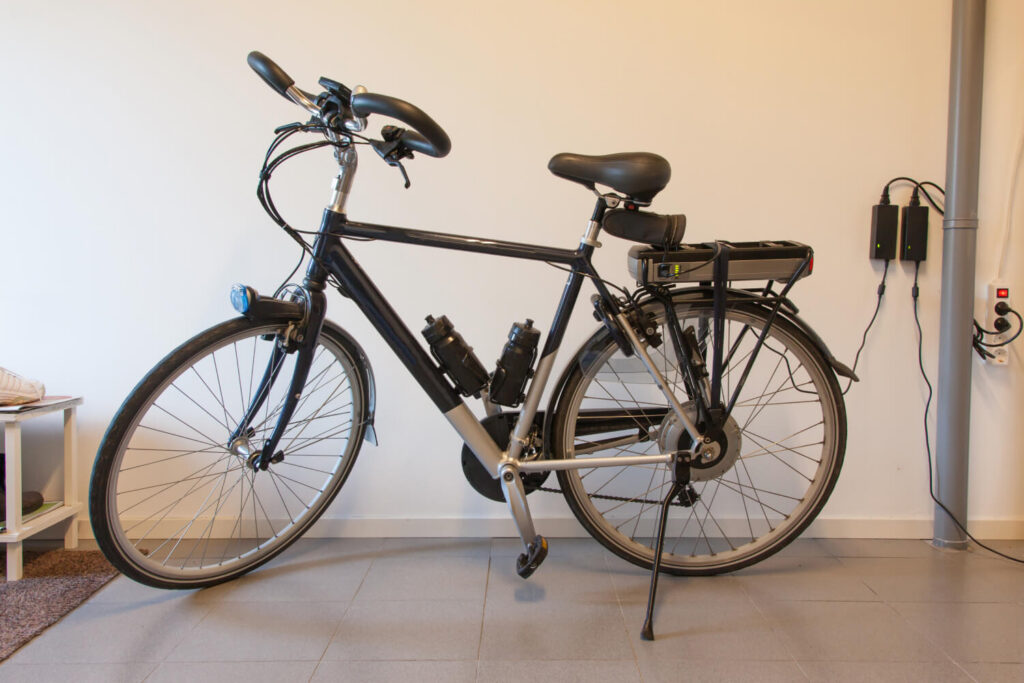
As a rider myself, I don’t say any of this to scare people away from e-bikes — I still ride mine constantly. But a few good habits go a long way:
E-bikes are a great way to get around, and most riders will never experience anything like this. But if it happens to you, knowing what to do — both to stay safe and to protect your rights afterward- could make all the difference. For help today, contact the bicycle accident lawyers at Choulos, Choulos & Wyle by dialing (415) 432-7290.
This post is for general informational purposes and reflects my personal experience as a rider, as well as my observations from product liability practice. It is not legal advice. If you’ve experienced an e-bike battery fire and are considering a claim, consult a licensed attorney in your jurisdiction about the specifics of your situation.