
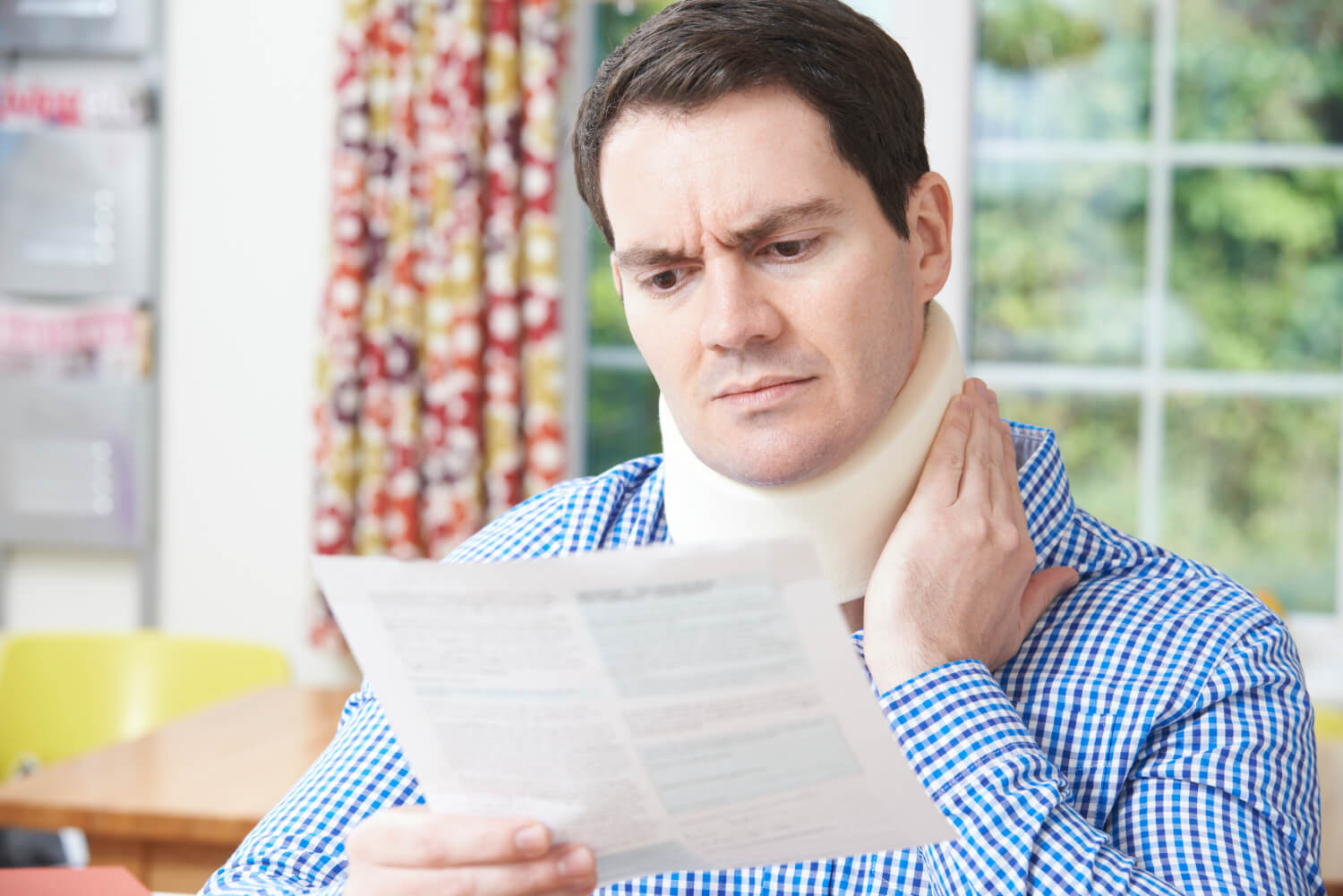
You might still hear the impact, see the headlights, or feel your body hit the pavement. One moment you were just riding through Francisco traffic, maybe in a bike lane or crossing an intersection, and in the next, everything changed. Now you are dealing with pain, medical visits, calls from insurance adjusters, and a hundred questions you never thought you would have to answer.
On top of that, you might be wondering if you are doing the “right” things legally. Maybe you already said a few things at the scene that you regret. Maybe you left without getting all the information. That worry can keep you up at night.
The truth is, many injured cyclists make the same legal mistakes after a crash with a car, and those mistakes can quietly reduce or even destroy a valid claim. The goal here is to walk you through the top 10 missteps, explain why they matter, and give you clear next steps so you can protect yourself, your health, and your future.
In short, if you were hit by a car while biking in San Francisco, do three things as soon as you can. Get medical help and follow through with treatment. Protect your words and your evidence. Talk with an experienced bicycle accident lawyer before signing anything or giving a detailed statement to an insurance company.
What are the top legal mistakes cyclists make right after a crash?
After a collision, you are probably shaken, embarrassed, or even worried the driver will blame you. In that fog, it is easy to make choices that feel polite or reasonable in the moment but come back to haunt you later.
Here are the 10 most common legal mistakes cyclists make after a bicycle and car accident in San Francisco.
- Not calling the police or accepting a report
Sometimes the driver says, “Let’s keep this between us. I’ll pay for everything. No need to call the police.” You might feel tempted to agree, especially if traffic is building or you just want to go home. The problem is that without a police report, it can turn into your word against the driver’s. Details about location, signals, and witnesses can be lost forever.
The report is often the backbone of a strong claim. It documents the scene, the parties, and the basic facts in a way that insurance companies and courts take seriously.
- Saying “I’m fine” or accepting blame at the scene
Many cyclists are used to getting up quickly after a fall, brushing it off, and riding away. Out of habit, you might tell the driver or the officer, “I’m okay” or “It was probably my fault. I didn’t see you.” Later, when the pain sets in, or new symptoms appear, those early words are used against you.
California law looks at fault very carefully. Even a simple apology can be twisted into an admission. You can be polite without guessing about what happened or how badly you are hurt. It is okay to say, “I need to be checked out” and “I’m not sure exactly what happened.”
- Skipping or delaying medical care
Adrenaline is powerful. You might feel mostly okay at the scene, then wake up the next day with serious neck, back, or head pain. If you do not see a doctor promptly, the insurance company may argue that your injuries are unrelated to the crash, or that you are not really hurt.
Prompt medical care does two things. It protects your health, and it creates a clear record that ties your injuries to the collision. That record often becomes key evidence.
- Not documenting the scene and your bike
What if the driver later changes their story about what lane they were in or whether you were in the crosswalk? Without photos, it becomes much harder to counter those claims. If you are able, or if a friend can help, take pictures of your bike, the car, the surrounding street signs, skid marks, and your visible injuries. Save your damaged helmet and clothing. Do not repair or throw things away too quickly.
These details can help a bicycle accident lawyer and experts reconstruct what really happened, even long after the debris is cleared.
- Trusting the insurance adjuster to “handle everything”
The driver’s insurance adjuster may sound sympathetic. They might say they just need a quick recorded statement so they can process your claim. It can feel easier to just cooperate and hope they will do the right thing.
Remember, the adjuster works for the insurance company, not for you. Their job is to limit what the company pays. They are trained to ask questions in ways that minimize your injuries or shift blame onto you. Once the statement is recorded, it is very hard to undo.
- Posting about the crash on social media
Sharing what happened can feel cathartic. Maybe you want to warn other cyclists about a dangerous intersection or just let friends know you are okay. The problem is that insurance companies often monitor social media. A single photo of you smiling at a family event, or a casual comment like “I’m doing better than I thought,” can be twisted to suggest you are not seriously injured.
Until your claim is resolved, it is safest to keep details of the crash and your injuries offline.
- Ignoring California traffic laws for bicycles
Even if the driver clearly hit you, their insurance company will be looking for any way to argue that you were partly at fault. That includes whether you were following California bike rules and local traffic laws, such as riding with traffic, obeying signals, and using lights at night. If you are unsure about the rules that apply to cyclists, resources like the California DMV’s guide for bicyclists and pedestrians can help.
Not knowing the rules does not mean you do not have a case. It just means you need careful guidance to address these issues.
- Underestimating future costs
At first, you might focus on the immediate bills. Maybe an emergency room visit, a few follow-up appointments, and a new bike. It is easy to accept a quick settlement that covers what you can see right now. The risk is that you may later discover you need physical therapy for months, time off work, or further treatment for lingering pain.
Once you sign a release, you usually cannot go back for more, even if new problems appear. A fair settlement needs to account for both current and future losses.
- Waiting too long to talk with a lawyer
Some people wait because they do not want to be “the type who sues.” Others think they have plenty of time. Evidence fades, witnesses move, and deadlines approach faster than you might expect. California has time limits for filing injury claims, and missing them can bar your recovery entirely.
Early legal guidance is not about rushing into a lawsuit. It is about protecting your rights while the facts are still fresh.
- Trying to handle a serious claim alone
You might be very capable and organized. You may feel that you can gather records, argue with adjusters, and negotiate a fair outcome. The problem is that serious injury claims involve laws, medical issues, and insurance tactics that are not obvious from the outside.
Working with an experienced bicycle accident lawyer shifts that burden off your shoulders. It allows you to focus on healing while someone who understands these cases protects your interests.
Should you handle a bike accident claim yourself or get legal help?
So where does that leave you? You might be torn between wanting to move on quickly and wanting to make sure you are not taken advantage of. It can help to look at the tradeoffs in a simple way.
| Issue | Handling Claim Yourself | With a Bicycle Accident Lawyer |
| Time and stress | You handle calls, paperwork, and negotiations while recovering. | Lawyer manages communications and deadlines so you can focus on healing. |
| Understanding of law and bike rules | Relies on your own research about California traffic and insurance laws. | Uses deep knowledge of bike laws, including resources like the California driver handbook rules of the road. |
| Evidence and investigation | Limited to what you can collect and understand on your own. | Can gather records, interview witnesses, and work with experts if needed. |
| Negotiating power | Insurance adjuster knows you may not fully understand claim value. | Adjuster knows a lawyer can push back and take the case further if needed. |
| Risk of costly mistakes | Higher risk of missing deadlines or saying something that hurts your claim. | Guidance at each step to avoid the common legal mistakes discussed above. |
For a minor scrape and no real damage, you might not need much help. When injuries, medical bills, or time off work are involved, trying to handle everything alone can quickly become overwhelming.
What can you do right now to protect your rights?

You may feel like the crash already happened and the damage is done. The good news is there are still concrete steps you can take today to protect yourself and reduce the chance of further mistakes.
- Protect your health and your medical record
See a doctor as soon as possible if you have not already. Be honest and detailed about every symptom, even if it seems small. Follow through on referrals, imaging, and therapy. Keep copies of all bills, visit summaries, and prescriptions. Your health comes first, and a complete medical record strengthens your claim.
- Gather and organize your evidence
Collect any photos, videos, witness names, and contact information. Save emails, letters, and voicemails from insurance companies. Write down your own memory of what happened while it is still fresh. Include time, weather, traffic, and anything the driver said. Keep all damaged gear, including your bike and helmet, in a safe place.
- Speak with a San Francisco injury lawyer before you sign
Before you agree to a settlement, give a recorded statement, or sign any documents, talk with a lawyer who regularly handles San Francisco bicycle accident claims. A short conversation can help you understand the strength of your case, the mistakes to avoid, and what a fair outcome might look like for you.
Finding steady ground after a bike and car crash in San Francisco
You did not choose to be hit by a car. You did not ask for pain, appointments, or calls from insurance companies. Still, you are the one now carrying the weight of this collision, and it is normal to feel angry, anxious, or just exhausted.
You do not have to carry it alone. An experienced personal injury lawyer who understands cyclists and San Francisco traffic patterns can stand between you and the legal noise, help you avoid these common mistakes, and work to secure the resources you need to move forward.
Our San Francisco personal injury attorneys have been representing victims in a variety of types of cases for decades. The team at Choulos, Choulos & Wyle Personal Injury Lawyers is ready to help. If you or a loved one is a victim, you can turn to our law firm with confidence. To talk about what happened and what to do next, call (415) 432-7290.