You might be lying awake at night replaying the crash in your mind. One moment you were a rider who felt at home on two wheels. Now you are someone who has scars, maybe hardware in your body, medical bills on the table, and a bike that might be gone. On top of all that, a quiet question keeps coming back. Can I ever ride again, and if I do, what does that mean for my body, my family, and my legal rights in the Bay Area?
If that sounds familiar, you are not alone. Many San Francisco riders who suffer serious injuries wrestle with the same conflict. You love riding. You also fear the pain, the risk, and the impact on the people who care about you. The short version is this. Whether you can safely ride again depends on your medical recovery, your emotional healing, and the legal steps you take now to protect your future. You do not have to decide everything today, but you do need good information around you.
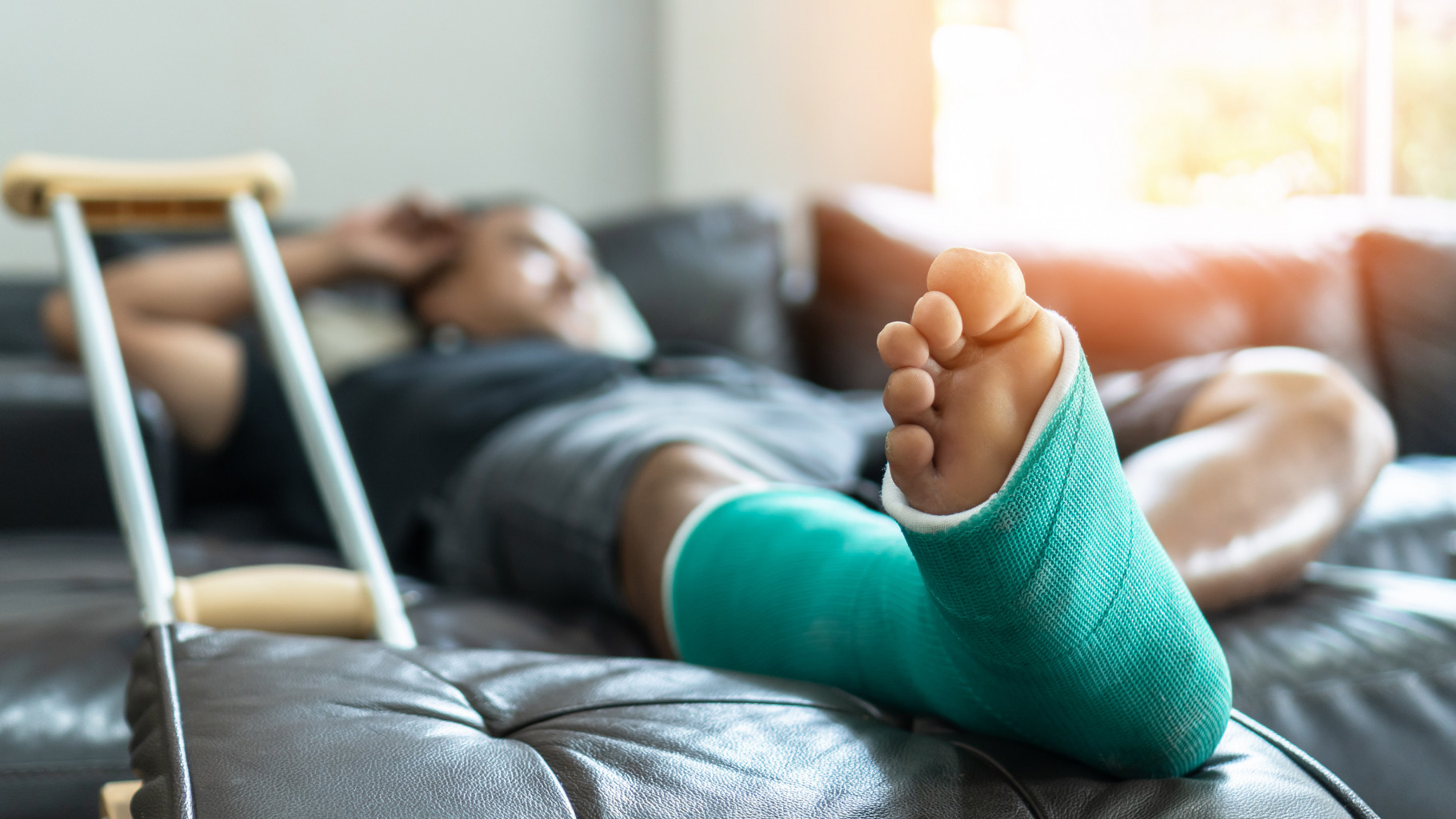
After a serious collision, life rarely goes back to “before.” You might be dealing with broken bones, a brain injury, road rash, or chronic pain. Getting dressed, walking stairs, or going back to work may feel harder than anyone around you understands. At the same time, people who have never ridden a motorcycle might be telling you to “just give it up” as if that is an easy switch to flip.
Because of this tension, you might wonder what part is physical, what part is emotional, and what part is legal. For example, you may worry that riding again will hurt your current personal injury case, or that an insurance company will try to use your love of riding against you. You may also be afraid that if you do not ride again, you will lose an important part of your identity.
Here are some of the common problems that show up after a serious crash.
Physical challenges. Maybe your leg does not bend the way it used to. Maybe you have a fused spine, a shoulder that will never be 100 percent, or lingering dizziness from a concussion. You might technically be “cleared” by a doctor to go back to normal activity, yet you know your reflexes or strength are not what they were on the day of the crash.
Emotional fallout. Many riders feel fear when they pull up next to a truck again, or when they hear the sound of brakes. You might feel guilty in front of your family or angry at the driver who hit you. Some riders avoid even looking at motorcycles because the memory of the crash is so sharp. Others want to get back on immediately to prove they are still themselves, even if their body is not ready.
Financial and legal stress. Medical bills and lost income can pile up quickly. Insurance adjusters may call you with questions that feel harmless but are designed to limit what they pay. You might worry that if you talk honestly about wanting to ride again, someone will twist that into an excuse to reduce your settlement. That is where a seasoned motorcycle accident lawyer can help protect you from missteps.
So where does that leave you? It leaves you needing a clear picture of your medical condition, your emotional readiness, and your rights under California law, before you make big decisions about your future on a bike.
Think about three overlapping questions. Can your body handle riding? Will your mind let you ride safely? And does your legal situation change if you get back on a motorcycle?
Medical reality. Your doctors can tell you about weight-bearing limits, range of motion, and any permanent restrictions. For example, if you have a leg injury that limits your ability to put a foot down quickly, or if nerve damage affects your grip, that matters a lot on a motorcycle. You may need a different type of bike, adaptive controls, or more time to heal. It can help to ask your doctor very specific questions like, “Could I safely hold up a 500-pound motorcycle at a stop?” or “Would sudden turns or stops be risky for my spine or head injury?”
California offers training resources that can be part of a safe return plan. The California Motorcyclist Safety Program offers courses that can help you rebuild skills and confidence in a controlled environment, which is especially important after a serious crash.
Emotional reality. Some riders feel pressure to “be tough” and get back on the bike quickly. Others feel ashamed that they are scared. Both reactions are human. The key question is not whether you feel nervous. It is whether that fear is so strong that it distracts you on the road, freezes you in traffic, or pushes you to take risks to prove something.
Sometimes talking with a therapist, a support group, or other riders who have survived serious crashes can help you sort out what is healthy caution and what is trauma that needs care. There is no prize for rushing this step.
Legal reality. Many riders worry that riding again could hurt their current injury claim. In most cases, the fact that you ride in the future does not erase what the other driver did to you in the past. Your injuries, your medical treatment, and the impact on your work and life still matter. However, insurance companies may try to argue that if you are well enough to ride, you are not as injured as you say.
This is one reason why having an experienced San Francisco motorcycle accident lawyer matters. A good attorney can explain how your treatment records, your ongoing symptoms, and your daily limits fit together, and can push back if an insurance company makes unfair arguments about your recovery or your choice to ride again.
You might feel stuck between three choices. Get back on as soon as possible, take a long break and see how you feel, or walk away from riding entirely. Each path has tradeoffs, both personal and legal. It may help to see those choices side by side.
| Choice | Potential Benefits | Potential Risks or Costs | Real-world Example |
| Return to riding after healing | Regain a sense of identity and joy. Rebuild skills and confidence. Show that your life is more than the crash. | Physical strain on injuries. Emotional triggers in traffic. Insurance company may question the severity of ongoing pain if not properly documented. | A rider with a healed leg fracture completes rehab, takes a refresher safety course, switches to a lighter bike, and rides only on weekends in low-traffic areas. |
| Take a long pause before deciding | More time for medical recovery. Space to process trauma. Less pressure from yourself or others to “decide now.” | Uncertainty about the future. Possible feelings of loss or frustration. Family may assume you have quit even if you have not. | A Bay Area rider focuses on physical therapy and counseling for a year, keeps their license updated using the DMV’s Motorcyclist’s Guide, and revisits the riding question with their doctor later. |
| Decide to stop riding for good | Reduces risk of another serious crash. May ease family anxiety. Allows you to focus on other hobbies and goals. | Grief over losing a core part of your life. Possible isolation from riding friends. Regret if the choice feels forced by money or legal pressure rather than by you. | A long-time rider with a severe spinal injury chooses to give up riding, sells the motorcycle, and uses settlement funds to focus on accessible travel and time with family. |
There is no single “right” answer. The right decision is the one that respects your body, your mind, and your long-term stability, not just today’s emotions.
Do not just ask, “Am I healed?” Ask very specific questions about riding. Can I handle quick head turns and emergency stops with my neck and back? Will vibration aggravate my injuries? Could a low-speed fall cause serious new damage? Ask whether more physical therapy, strength training, or adaptive equipment would meaningfully change the answer. Get these opinions in writing when possible, because they can support both your decision and your legal claim.
Before you buy another bike, return to work full time, or accept any settlement offer, talk with a trusted motorcycle accident lawyer who understands Bay Area traffic and juries. Early legal advice can help you avoid statements to insurance adjusters that might be misunderstood later, such as casual comments about feeling “fine” or planning a long ride. An attorney can also make sure your current and future losses are properly counted, including any limits on the kind of riding or physical work you can safely do.
If you were hurt in San Francisco or anywhere in the Bay Area, you can reach Choulos, Choulos & Wyle at (415) 432-7290 to talk about your situation and your questions about riding again.
Time helps, but time alone is not always enough. Consider talking with a therapist who understands trauma, or a support group for injury survivors. Many riders also find it useful to ease back in with controlled exposure, such as sitting on a stationary bike, then riding in a parking lot, then on quiet streets, only if and when your body and mind feel ready. If the fear remains intense or your thoughts race every time you think about riding, that is a sign you deserve more support, not that you are weak.
Whether you return to riding, take a long pause, or close that chapter of your life, you deserve to make that choice from a place of safety and strength, not fear or financial pressure. Healing from a serious crash is not just about bones and bruises. It is about rebuilding your life in a way that still feels like you.
You do not have to sort out medical questions, emotional recovery, and legal pressure on your own. Our San Francisco personal injury attorneys have been representing victims in a variety of types of cases for decades. The team at Choulos, Choulos & Wyle Personal Injury Lawyers is ready to help. If you or a loved one is a victim, you can turn to our law firm with confidence. To talk about your accident, your recovery, and your future as a rider, call (415) 432-7290 today.