It might have started like any other ride. Maybe you were heading down Market, rolling past the bike lane paint you have learned not to fully trust, when you saw the shadow of a huge tech shuttle beside you. Then the air changed. Brakes, shouting, the sickening sound of metal, and suddenly your world split into a clear “before” and “after.”
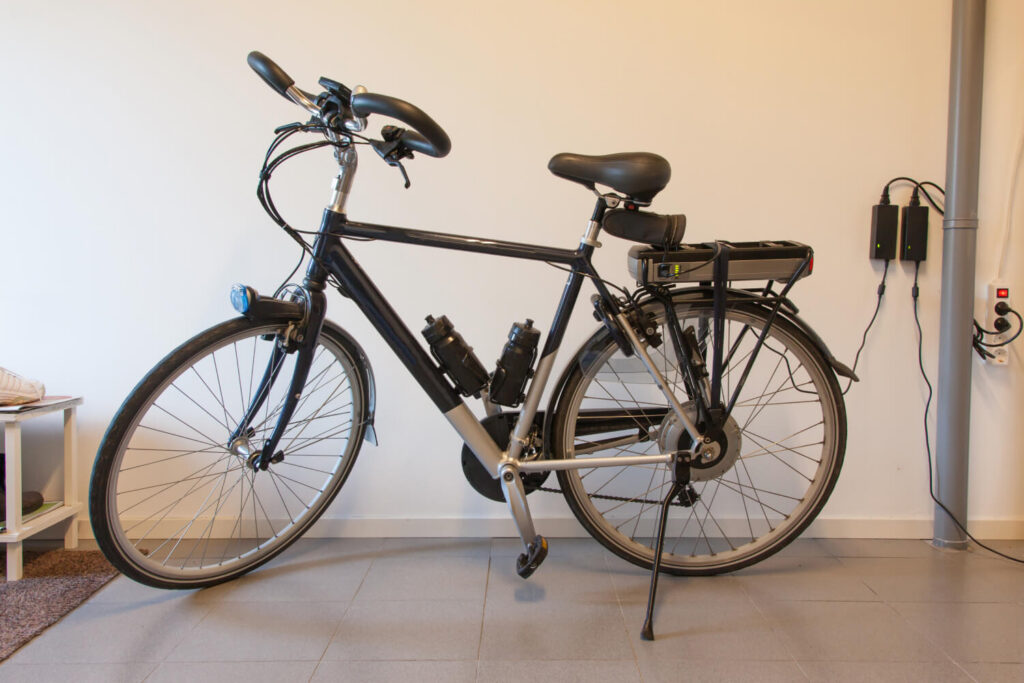
Now you might be sitting at home or in a hospital room, replaying those seconds again and again. You might be wondering how a bus that size did not see you, why the driver kept moving, why no one seems to have a straight answer, and why your body hurts in places you did not know existed. At the same time, bills are starting to show up, your bike is ruined, and someone from an insurance company may already be calling you, sounding polite but strangely rushed.
So where does that leave you? In a very real sense, you are caught between two worlds. On one side is your life as it was. On the other side is a maze of corporate policies, city rules, and insurance tactics that you never asked to learn. This guide walks you through what really happens when a cyclist is hit by a corporate shuttle in San Francisco, what the hidden pressures are, and how a bicycle accident lawyer can help you protect yourself, your health, and your future.
Being hit by any vehicle is terrifying. Being hit by a tech shuttle or corporate bus is something else. These vehicles are huge, heavy, and often on tight schedules. They belong to large companies with legal teams and insurance carriers that are trained to limit payouts. You are not just dealing with a driver. You are dealing with an entire system.
Right after the crash, your first instincts are usually simple. Am I alive? Can I move? Is my bike destroyed? You may not be thinking about evidence, fault, or your rights. Yet the company behind that bus is already thinking about those things. Their driver will be calling a supervisor. Their safety department might be notified. Their insurer may open a file before you have even left the scene.
Because of this tension, you might wonder if you are already behind before you even start. The short answer is no. You still have options, and you still have time, but you do need to be intentional about what you do next.
On the surface, a crash is a crash. A vehicle hits a cyclist, the cyclist is injured, and someone should be held responsible. With corporate shuttles, there are extra layers that can change how the case is handled and how much you can recover.
Here are some of the key differences that tend to show up in a San Francisco tech bus bicycle collision:
In other words, the crash is not just “you vs driver.” It is you trying to heal while a corporate machine moves quietly in the background.
The law tends to focus on medical bills, lost wages, and property damage. Those are important, but if you were hit by a corporate shuttle, you know that the emotional side can be just as heavy.
You might feel:
These reactions are normal. Recovery is not just about bones and muscles. The Centers for Disease Control and Prevention recognizes that traffic crashes can trigger anxiety, depression, and PTSD symptoms. You can read more about that on the CDC’s road safety pages at cdc.gov.
So when an insurance adjuster acts as if your injuries are only worth the cost of your X-rays and a few physical therapy visits, it can feel like they are ignoring a big piece of your reality.
It does not take long before the phone starts ringing. A representative might sound caring. They might say they “just need your statement” or “want to resolve this quickly.” That can sound appealing when you are exhausted and unsure what to do next.
Here is the problem. Their job is to protect their company, not you. That does not make them evil. It does mean their interests, and yours, are not the same.
Common issues that show up in bicycle accident lawyer cases involving corporate buses include:
So, where does that leave you when you just want to heal and move on? This is where having an advocate who understands these tactics can shift the balance.
You might be wondering whether you should try to handle everything yourself or involve a lawyer who regularly deals with corporate shuttles and serious bike crashes in San Francisco. To make that decision clearer, it helps to look at the practical differences.
| Issue | Handling It Yourself | Working With a Bicycle Accident Lawyer |
| Access to evidence from the bus | You may not know how to request camera footage, GPS data, or driver logs, or how fast they can be destroyed. | A lawyer can send formal preservation letters and subpoenas to secure video, data, and internal reports. |
| Understanding fault and traffic rules | You rely on what the police report says, which may be incomplete or even wrong about bike laws. | Lawyer reviews the report, applicable city rules, and state law, and can challenge errors. |
| Valuing your claim | You may focus on current bills and damage to your bike, and underestimate future care or lost earning power. | Lawyer considers long-term medical needs, lost income, and non-economic harm like pain and loss of enjoyment. |
| Negotiating with corporate insurers | You negotiate with adjusters who handle these claims all the time and know the pressure points. | The lawyer has experience with these companies and uses evidence, expert opinions, and litigation pressure. |
| Time and stress | You handle paperwork, calls, and deadlines while trying to recover physically and emotionally. | A lawyer manages the process so you can focus more on treatment and daily life. |
There is no single right choice for everyone. The more serious the injuries and the more complex the corporate structure behind the bus, the more sense it often makes to get professional help.
California law gives cyclists rights and responsibilities just like other road users. In a crash with a tech shuttle or corporate bus, several questions tend to matter.
California’s comparative fault rules can still allow recovery even if someone tries to argue you were partly at fault. The legal details are outlined in the California Vehicle Code and related resources. For background on state traffic laws, you can visit the California Department of Motor Vehicles at dmv.ca.gov.
An attorney who understands both bike law and corporate transportation practices can connect these legal rules to the specific facts of your crash. That is where the story of what happened to you becomes evidence, not just memory.
You do not need to have everything figured out today. You do not need to know whether you will bring a claim or go to court. There are, however, a few steps you can take right now that can protect your health and your options.
Even if you walked away from the scene, get checked. Tell your doctor about every ache, headache, numb spot, or emotional symptom, not just the “big” injuries. Some issues, like concussions or soft tissue damage, can show up hours or days later. Clear medical records help you heal and also create a timeline that connects your injuries to the crash.
Gather and save:
Write down what you remember as soon as you are able. Include where you were riding, the direction of travel, what the bus did, what the driver said, and how you felt immediately afterward. Details that feel small now can become important later in an SF bike accident legal claim.
You are not required to give a recorded statement to the bus company’s insurer. You are also not required to accept the first number they put in front of you. A lawyer who handles bicycle accident cases involving corporate shuttles can explain your rights, review any offers, and deal with the insurers directly so you are not pressured into a decision that harms you later.
Right now, it may feel like the shuttle that hit you kept rolling long after the physical crash ended. The medical visits, the bills, the calls from people who say they are “just following up” can make it hard to breathe, let alone heal.
You are allowed to slow this down. You are allowed to ask questions. You are allowed to expect that the company whose bus changed your life will be held to account for what happened. With the right support, the story does not have to end at the moment of impact. It can continue with you getting the treatment you need, the time to recover, and the resources to rebuild the parts of your life that were shaken.
If you were hit by a tech shuttle or any corporate bus while riding your bike in San Francisco, you do not have to navigate this alone. Experienced counsel can step in, protect your rights, and help you move from shock and confusion toward clarity and control. Contact Choulos, Choulos & Wyle for help.