
You might still see the scene in your head. You were riding through San Francisco traffic, slipping between stopped cars and a Muni bus, doing what you have probably done a hundred times before. Then something shifted. A car drifted, a bus pulled out, a mirror clipped you, or your front wheel caught a bad patch of pavement. Now you are hurt, angry, and wondering if lane splitting between buses and cars just ruined your chance to recover money for your injuries.
You may be blaming yourself because you were lane splitting. At the same time, you know traffic here is heavy, drivers cut across bus lanes, and Muni buses feel huge when you are on two wheels. You might be worried that everyone will simply say, “You were between lanes, so it is your fault.” The truth is more complicated, and in San Francisco, that complexity can actually work in your favor if handled correctly.
At the core, your situation is about responsibility. How much belongs to you, and how much belongs to the car driver, the bus operator, or even the city itself. Lane splitting near Muni is not automatically reckless, and California law does not ban it. Your rights do not disappear because you chose to ride the way almost every local motorcyclist rides in heavy traffic.
Lane Splitting Between Buses And Cars In San Francisco Traffic
California is different from most states. Lane splitting is not illegal here, and the California Highway Patrol has even issued guidance on safer ways to do it. The California Driver Handbook, through the DMV, recognizes motorcycles and sets out general rules for traffic behavior that apply to everyone, not just riders. You can see those rules in the California laws and rules of the road.
San Francisco adds another layer. You are not just splitting between two compact cars. You are often threading between a tall Muni coach and a rideshare driver staring at a phone, or between a bus stopped at a crowded stop and a driver trying to jump around traffic. The space feels tight, the timing is unforgiving, and one careless move from a larger vehicle can put you on the pavement with no warning.
When a crash happens in that space, several questions arise at once. Was the bus pulling away from the curb without checking mirrors? Was a car cutting across a bus lane to make a sudden right turn? Were you moving at a reasonable speed between lanes, or flying past traffic? These details decide whether you are fully at fault, partly at fault, or actually the more careful person in the entire scene.
How Crashes Happen Between Muni, Cars, And Motorcycles
Most riders who go down between a Muni bus and a line of cars share similar stories. A bus leaves a stop and swings wide, pushing them out of the lane. A driver in the next lane jumps in front of the bus to avoid getting stuck behind it and cuts directly across the rider’s path. A car door opens near a bus stop just as the motorcycle passes. None of this is “just an accident” in the legal sense. It is usually the result of someone ignoring a duty to look, signal, and yield.
Imagine this. You are heading down Mission Street, traffic is crawling, and a Muni bus is at a stop on your right. You move between the left side of the bus and the cars in the next lane at a slow speed. As you pass the front of the bus, a driver from the far lane cuts across to turn right in front of the bus. You hit the side of that car and go down. That driver will often say they could not see you because of the bus. The law still expects that driver to yield before turning and not blindly cross in front of a bus.
Or imagine the opposite. You are next to a stopped bus, creeping forward, and the driver pulls out from the stop without checking the blind spot. The bus drifts left and clips your bars. On paper, the bus operator is a professional driver held to a higher standard, and the city or transit agency may share responsibility for training and supervision. That can give you a stronger negligence claim, but it also means the defense will fight hard and use every argument about lane splitting to reduce what they owe.
Legal Complications When Lane Splitting Near Muni
Lane splitting cases in San Francisco almost always involve arguments about shared fault. California uses “comparative negligence.” This means your recovery can be reduced by the percentage of fault assigned to you, but it is not erased unless you are 100 percent responsible.
Insurance companies and public entities like to argue that a rider between lanes is automatically more at fault. They may claim you were going too fast between lines of traffic, that you were in a blind spot, or that you “assumed the risk” by riding there. Those arguments sound strong, especially if you are already doubting yourself. They are not the final word.
The real question is whether you were lane splitting in a reasonably safe way under the circumstances and whether the bus driver or motorist ignored clear duties, like signaling, checking mirrors, and yielding to riders who are already in the space they want to move into. A careful rider moving at a moderate speed between lanes can still recover significant compensation when a bus or car makes a sudden, illegal movement.
When Muni is involved, there is another complication. Claims against public entities have strict deadlines and specific procedures. You usually must file a government claim within a short window, often just six months from the date of the crash, before you can even sue. That timing surprises people who are still in surgery or rehab and can quietly destroy a strong case if ignored.
Risks, Benefits, And Legal Realities Of Lane Splitting In SF
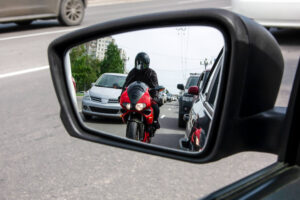
Lane splitting is not just a convenience in this city. It is often the only way to keep moving in clogged corridors and to avoid getting rear-ended in stop-and-go traffic. At the same time, doing it between tall buses and impatient drivers raises the stakes. The San Francisco Municipal Transportation Agency shares safety guidance for riders on its motorcycle safety resources, but even if you follow best practices, others may not.
The table below shows how the everyday “benefits” of lane splitting compare to the hidden costs when a crash happens, especially when a Muni bus or city vehicle is involved.
| Aspect | Lane Splitting Between Cars Only | Lane Splitting Between Muni Buses And Cars |
| Typical visibility of rider | Moderate. Cars are lower, mirrors closer to rider height. | Mixed. Buses have large blind spots and higher driver seating. |
| Common crash type | Sudden lane change from a car without signaling. | Bus pulling from curb or car darting around bus into right turn. |
| Injury severity | Often serious, but impact mass is lower than bus contact. | More likely to involve crushing injuries and multiple impacts. |
| Liability players | Usually private drivers and their insurers. | Bus operator, transit agency, city, and private drivers. |
| Claim process | Standard insurance claim and potential civil lawsuit. | Government claims deadlines plus complex insurance issues. |
| Evidence challenges | Disputes over lane position and speed. | Need for bus video, GPS, driver logs, and eyewitnesses. |
Understanding these differences matters when you are deciding how hard to push your claim and whether to face a public agency and multiple insurers alone. An experienced San Francisco motorcycle accident lawyer can turn details like bus camera footage, route schedules, and operator policies into proof that you were the one exposed, not reckless.
Immediate Steps After A Lane Splitting Crash With A Bus Or Car
1. Protect your body and create a record
Get medical care quickly, even if you walked away from the scene. Adrenaline hides pain, and injuries from being knocked between a bus and a car often show up over hours or days. ER records, urgent care notes, and follow-up visits all help connect your injuries directly to the crash. If you delay, insurers argue that something else caused your pain.
2. Preserve every piece of evidence you can
Photos and videos from the scene are powerful. If you are able, or if someone with you can help, capture the bus number, license plates, positions of the vehicles, skid marks, debris, and street signs. Get names and contact information for witnesses. Save your damaged helmet, gear, and bike parts. Do not throw anything away. In a case involving Muni, surveillance from the bus and nearby businesses can be critical, and an attorney can move fast to request and preserve that footage before it is deleted.
3. Get legal guidance before giving detailed statements
Adjusters and city claim representatives are trained to use your words against you, especially in lane splitting cases. They may ask questions that sound harmless, then point to one phrase to argue you “admitted” fault. Speaking with an experienced motorcycle accident lawyer early gives you a clear understanding of your rights and helps you avoid statements that twist your actions into something they were not.
How A San Francisco Motorcycle Accident Lawyer Can Help You Push Back
Riding between a Muni bus and cars might feel like a risky decision in hindsight, but the law still expects every driver and bus operator around you to act with reasonable care. Your job now is not to punish yourself. It is to make sure the full story is told.
The attorneys at Choulos, Choulos & Wyle understand how San Francisco traffic really works, how lane splitting is part of daily riding, and how serious these crashes can be. They know how to obtain Muni records, bus camera footage, and expert opinions on speed, visibility, and reaction time, and they are used to pushing back when insurers blame riders for simply existing between lanes.
Our San Francisco personal injury attorneys have been representing victims in a variety of types of cases for decades. The team at Choulos, Choulos & Wyle Personal Injury Lawyers is ready to help. If you or a loved one is a victim, you can turn to our law firm with confidence. To talk about your specific crash and your options with a motorcycle accident lawyer, call (415) 432-7290.