

You might be replaying the crash in your head and second-guessing everything. The other driver cut you off or pulled out in front of you, but your mind goes straight to one detail. You were not wearing a full riding jacket, or you had on regular shoes instead of boots, or you skipped the gloves that day. Now the insurance company is hinting that this is your fault, or at least partly your fault, and you are wondering if you just ruined your own case.
This is a heavy feeling. You know you did not cause the crash, yet you are worried a judge or jury might see it differently. You may be facing surgery, time off work, and medical bills, all while someone on the other side is trying to use your clothing against you.
In California, the law focuses first on who caused the collision, not on whether you were wrapped in full gear from head to toe. Helmet laws are strict. Full gear recommendations are strong. But the absence of a jacket, gloves, or boots does not automatically make you responsible for the crash. It can affect certain damage arguments, but it does not erase the other driver’s negligence.
How California Law Treats Motorcycle Gear And Fault
California only requires a DOT-compliant helmet for motorcycle riders and passengers. The California Highway Patrol promotes safe riding and protective gear through the California Motorcyclist Safety Program, and it strongly encourages jackets, gloves, and boots, but those are recommendations, not legal requirements.
Fault in a motorcycle accident is based on conduct like speeding, unsafe lane changes, failure to yield, or driving under the influence. Whether you wore a textile jacket or a hoodie comes second. The core question is simple. Did the other driver act unreasonably and cause the crash?
California uses “comparative negligence.” That means fault can be shared. An insurance company might argue that your lack of gear made your injuries worse, even if their driver caused the collision. They do this to reduce what they have to pay, not because they care about rider safety. Your job, with a strong motorcycle accident lawyer, is to separate the cause of the crash from the severity of the injuries.
Where Not Wearing Full Gear Can And Cannot Hurt Your Case
Imagine a driver making a sudden left turn across your lane in San Francisco. You are riding at a safe speed, you have the right of way, and you have no time to avoid impact. The cause of the crash is the driver’s unsafe left turn. That does not change because you wore jeans instead of armored pants or sneakers instead of boots.
What the insurance company might say is that some of your injuries, like road rash on your arms or a broken ankle, would have been less severe with more gear. They will try to argue you “failed to mitigate” your damages by not protecting yourself. This is where the conversation becomes more technical and where many riders feel attacked or shamed.
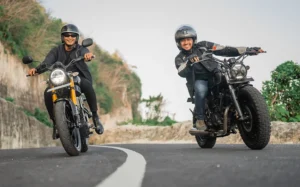
There is a big difference between causing a crash and influencing how badly you were hurt. Not wearing a jacket does not cause a car to run a red light. It may, in some limited situations, give the defense an argument to reduce specific parts of your claim, but it does not give them a free pass on their driver’s dangerous choices.
Courts and juries often understand this. They know that many riders are commuting, running errands, or taking a short ride and are not always in full track-level gear. They also know that the primary danger to riders is other drivers who are distracted, impatient, or careless.
Emotional, Financial, And Legal Pressures After A Crash
The emotional side of this is rarely discussed. You might already feel guilty for surviving when your bike did not, guilty for not gearing up the way you wish you had, or guilty for putting your family through this. Then an adjuster implies you “chose” these injuries by not dressing differently. That can feel like a punch to the gut.
Financially, the stakes are high. Medical bills for fractures, skin grafts, or orthopedic surgeries can reach tens or hundreds of thousands of dollars. Time off work can drain your savings. If the insurance company convinces a jury that a portion of your injuries are your “fault” because of missing gear, they may try to cut your recovery by that percentage.
Legally, this becomes a battle of experts. A seasoned San Francisco motorcycle accident lawyer brings in medical professionals or crash reconstruction experts to explain what really caused which injuries. Often, the forces involved are so great that serious harm would have occurred even with high-level gear. The goal is simple. Keep the focus where it belongs, on the driver who hit you.
Comparing Legal Blame, Gear Choices, And Real-World Risk
Rider safety programs in California, including those highlighted by the CHP at Motorcycles and Similar Vehicles and by the Office of Traffic Safety at California motorcycle safety initiatives, consistently encourage full protective gear. Those programs focus on reducing injuries, not assigning legal blame. Legal blame is a separate analysis that turns on driver behavior and the specific facts of your crash.
| Issue | Helmet Use | Jacket / Gloves / Boots |
| California legal requirement | Required by law for riders and passengers | Strongly recommended, but not legally required |
| Effect on who caused the crash | Does not change who caused the collision | Does not change who caused the collision |
| Possible effect on damages claimed | May affect head injury claims if no helmet | Insurers may argue some injuries could be less severe |
| Common insurance company tactic | Blame rider for any head or brain injury | Blame rider for road rash, fractures, or soft tissue injuries |
| Role of a strong attorney | Separate crash cause from injury severity | Challenge unfair blame and protect your full compensation |
The comparison is simple. Safety gear decisions affect risk. Negligent driving affects legal fault. A careful California motorcycle accident attorney keeps those categories separate in front of a jury.
Practical Steps To Protect Yourself And Your Case
1. Stop apologizing or accepting blame in conversations
You might feel tempted to tell the adjuster or the other driver that you “should have been wearing more gear.” Do not do that. You can acknowledge what you wore without turning it into an apology. Stick to the facts. Where you were, what you were doing, how the crash happened. Let your lawyer handle arguments about whether your clothing matters legally.
2. Document your injuries and your actual gear honestly
Take photos of what you were wearing, your helmet, your boots or shoes, your gloves or bare hands, and the damage to each. Photograph every visible injury, from bruises and road rash to stitches and casts. Honest, detailed documentation helps your attorney work with medical experts to show which injuries were unavoidable even with better gear and which claims the defense is exaggerating.
3. Speak with a focused motorcycle accident lawyer early
Insurance companies move quickly to shape the story. You need someone just as focused on your side. Talk with a San Francisco motorcycle accident lawyer who understands how riders actually live and ride, not an attorney who treats your case like a generic car crash. Early guidance can prevent small comments from being twisted into big “comparative negligence” arguments later.
Why Having The Right Legal Team Matters
You do not have to carry the weight of this alone. You were already exposed and unprotected in the crash itself. You do not need to feel exposed and unprotected again in the legal process. The right lawyer will not judge your gear choices. They will meet you where you are, explain your options in plain language, and push back hard when an insurer tries to shame you for not dressing the way they think you should have.
Our San Francisco personal injury attorneys at Choulos, Choulos & Wyle have spent decades standing up for injured riders and their families. We understand how fast a normal ride can turn into months of pain, stress, and second-guessing. Our team is ready to help you sort out fault, challenge unfair blame, and pursue the full compensation the law allows.
If you or a loved one has been hurt in a motorcycle crash, you can turn to our law firm with confidence. Call Choulos, Choulos & Wyle at (415) 432-7290 to talk with a dedicated motorcycle accident lawyer, or reach out online to start the conversation. You focus on healing. Your legal team will focus on the rest.