You might still hear it in your head. The sudden screech of brakes, the sickening hit, the feeling of your bike slipping out from under you while you were lane splitting into San Francisco on the Bay Bridge or 101. One moment you were threading traffic like you have so many times. The next moment, you are on the pavement or in an ER, asking yourself what just happened and what comes next.
It is normal to feel shaken, angry, or even guilty. You might be replaying every second, wondering if lane splitting will automatically be blamed, worried about your license, your job, your medical bills, and whether anyone will believe your side of the story. Because of this tension, you might also be wondering how California law actually treats lane splitting and what a motorcycle accident lawyer can really do for you.
Here is the short version. Lane splitting in California is legal when done safely. Crashes on the Bay Bridge or Highway 101 are often caused by drivers who are distracted, speeding, or changing lanes without looking. What you do in the minutes, hours, and days after the crash can shape your health, your case, and your financial future more than you realize.
Is Lane Splitting on the Bay Bridge or 101 Automatically Your Fault?
After a collision, you may hear it from the other driver or even from a responding officer. “You were lane splitting, so this is on you.” That can hit hard, especially when you know you were riding carefully, and traffic was already slow or stopped. The reality under California law is more nuanced.
Lane splitting is recognized by the California Highway Patrol, and they even provide guidance for safer lane sharing in their Departmental Motorcycle Manual. You are not automatically at fault just because you were between lanes on the Bay Bridge or Highway 101. Fault depends on how everyone was driving. Did a driver drift into your path while on their phone? Did someone swing across lanes without signaling? Did traffic stop suddenly because someone cut across three lanes to make an exit?
Still, lane splitting crashes carry extra challenges. Insurance companies know that some jurors are suspicious of riders. They may try to argue that you were going too fast between cars, that you “assumed the risk,” or that your injuries are not as serious as you say. This is where the agitation really sets in. You are hurt. Your bike is damaged. Yet you feel like you are the one on trial.
So, where does that leave you? It leaves you needing a clear, calm plan and a strong advocate who understands how San Francisco motorcycle accident claims really work, especially when lane splitting is involved.
What Makes Bay Bridge and 101 Lane Splitting Crashes So Complicated?
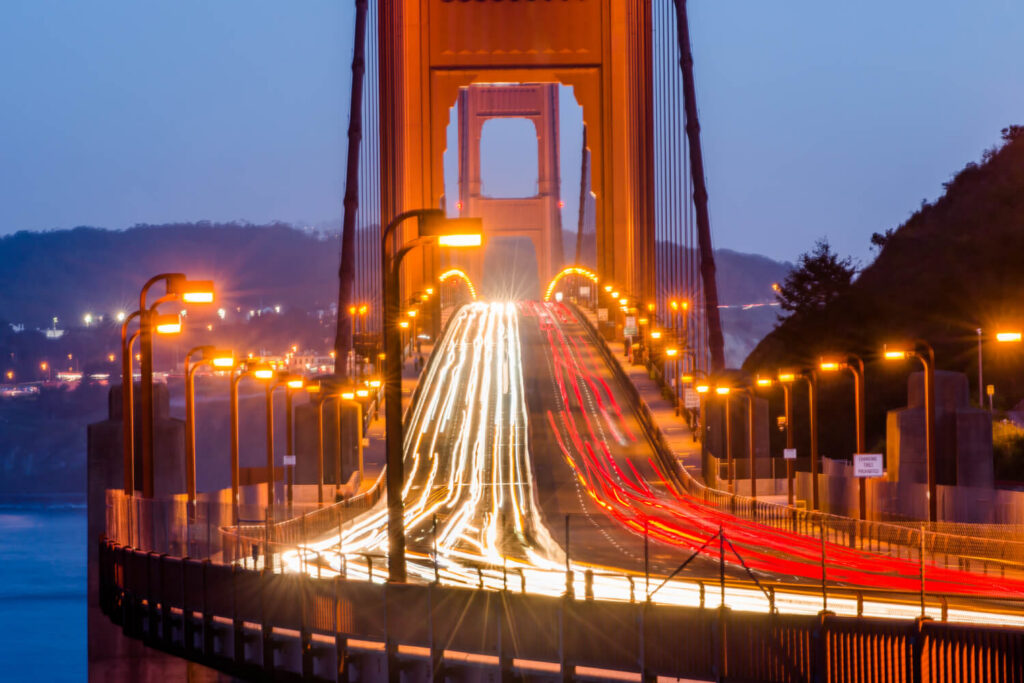
Crashes on the Bay Bridge and Highway 101 into San Francisco are different from a simple parking lot bump. The speed differences, tight lanes, and heavy traffic create a perfect storm. That storm shows up in at least three ways in your life.
First, there is the physical and emotional toll. You might be dealing with broken bones, road rash, a concussion, or spinal injuries. You may also have flashbacks when you ride, or you might be afraid to get back on a bike at all. None of that makes you weak. It makes you human.
Second, there is the financial pressure. Medical bills start arriving before you even understand the full extent of your injuries. You might be missing work. Your bike might be totaled. Insurance adjusters may call before you are ready, pressing you to give a recorded statement or to accept a quick settlement that feels far too low, but you are tempted because you need help now.
Third, there is the legal complexity. Lane splitting is legal, yet misunderstood. A driver might insist they “never saw you.” A witness might be unsure what they saw from a different lane. CHP or SFPD reports might not tell the full story. Without support, you may feel like you are trying to untangle all of this alone, while injured and exhausted.
This is exactly where a focused motorcycle accident attorney in San Francisco can step in. A good lawyer understands CHP guidance, traffic patterns on the Bay Bridge and 101, and how to counter the unfair assumptions that are often made about riders. You should not have to educate an insurance company about lane splitting while you are still healing.
Should You Handle a Lane Splitting Crash Claim Alone or With a Lawyer?
Many riders start by asking a simple question. “Do I really need a lawyer for this, or can I deal with insurance myself?” The honest answer is that it depends on the crash and your injuries, but you should at least understand the tradeoffs before you decide.
| Issue | Handling Claim On Your Own | Working With a Motorcycle Accident Lawyer |
| Understanding lane splitting law | You rely on what you have heard or read online, which may be incomplete or wrong. | Lawyer applies California law and CHP guidance to show lane splitting can be safe and lawful. |
| Dealing with insurance | You handle calls, recorded statements, and negotiations while injured and stressed. | Lawyer speaks for you, limits what you must do, and pushes back on low offers. |
| Proving fault | You try to gather photos, video, and witness info on your own. | Lawyer investigates, obtains traffic or surveillance video, and works with experts if needed. |
| Valuing your claim | You guess at what is fair based on bills and what the adjuster says. | Lawyer factors medical care, lost income, pain, future treatment, and long-term impact. |
| Time and stress | You juggle paperwork, deadlines, and healing at the same time. | Lawyer handles the legal side so you can focus on recovery. |
There is one more layer. California’s Office of Traffic Safety tracks crash data and supports motorcycle safety programs. Those numbers show that riders are at much higher risk of serious injury than people in cars. The more serious the injury, the more you stand to lose if your claim is underpaid or mishandled.
Three Immediate Steps After a Lane Splitting Crash Into San Francisco
You may be reading this from a hospital bed, from home with ice packs on your injuries, or from a friend’s couch. Wherever you are, there are a few concrete steps that can protect you and your claim starting now.
- Get thorough medical care and follow up, even if you “feel okay”
Adrenaline can hide pain. You might walk away from a Bay Bridge or 101 crash thinking you are mostly fine, only to wake up the next morning barely able to move your neck or back. Concussions and internal injuries are not always obvious.
See a doctor as soon as you can. Tell them exactly what happened and every symptom you notice, even if it feels small. Go to your follow-up appointments. Your medical records will become a key part of your case. They tell the story of how this crash affected your body and your life.
- Preserve every piece of evidence you can
If you are able, or if a trusted person can help, try to gather and keep:
Photos of the scene, your bike, the other vehicles, lane positions, skid marks, and any debris on the Bay Bridge or 101. Photos of your injuries over time. Names and contact details for any witnesses. Your helmet, gear, and damaged bike parts. Do not throw anything away, even if it looks ruined. Crash reports from CHP or SFPD once they are available.
Write down your own memory of what happened as soon as you can. Include traffic speed, lane positions, weather, and what the other driver did before impact. Memory fades quickly, especially when you are in pain.
- Talk with a San Francisco motorcycle accident lawyer before the insurance company pressures you
Insurance adjusters may sound friendly, but their job is to save their company money. They might ask you to give a recorded statement or to sign medical releases that are far broader than necessary. They might suggest that lane splitting makes your case weak.
Before you sign or record anything, consider speaking with a lawyer who regularly handles motorcycle injury claims in San Francisco, especially those involving lane splitting on the Bay Bridge or 101. A quick consultation can help you understand your rights, your options, and what to avoid saying that could be taken out of context.
Finding Steady Ground After a Lane Splitting Crash
A motorcycle crash is more than a traffic event. It is a shock to your body, your sense of safety, and often your finances. When lane splitting is involved, especially on busy routes into San Francisco, it can feel like you are already starting from behind in the eyes of insurers and sometimes even in the eyes of the public.
You do not have to carry this alone. Our San Francisco personal injury attorneys have been representing victims in a variety of types of cases for decades. The team at Choulos, Choulos & Wyle Personal Injury Lawyers is ready to help. If you or a loved one is a victim, you can turn to our law firm with confidence.
If you are ready to talk about what happened and what your options are, you can call (415) 432-7290. There is no obligation in reaching out. It is simply a chance to have someone who understands California lane splitting law, Bay Bridge and 101 traffic, and motorcycle culture listen to your story and help you decide what makes sense for you.