You ride through San Francisco trying to stay alert in traffic that changes block by block, and suddenly a bike lane appears where it never was before, a concrete barrier juts out, or a car swerves to avoid a cyclist and cuts right across your path. In a second, you are on the ground, hurt, angry, and wondering how anyone is supposed to ride safely in a city that says it is all about “safe streets,” yet leaves you dealing with broken bones and a totaled bike.
You might be replaying the crash in your head, asking whether the car driver is to blame, whether the city’s street design made things worse, or whether someone will try to push the blame onto you just because you were on a motorcycle. The medical bills, missed work, and insurance calls do not wait while you sort that out. You deserve clarity about how Vision Zero, bike lanes, and San Francisco’s politics around “safe streets” really affect your motorcycle accident case.
In simple terms, Vision Zero and bike lane projects are supposed to reduce traffic deaths. For motorcyclists, they sometimes do the opposite. They change traffic patterns, visibility, and driver behavior, and those changes often sit at the center of a serious crash case. A strong San Francisco motorcycle accident lawyer looks at those design and policy choices as part of proving what went wrong and who is legally responsible.
How Vision Zero and Bike Lanes Shape Motorcycle Crashes in San Francisco
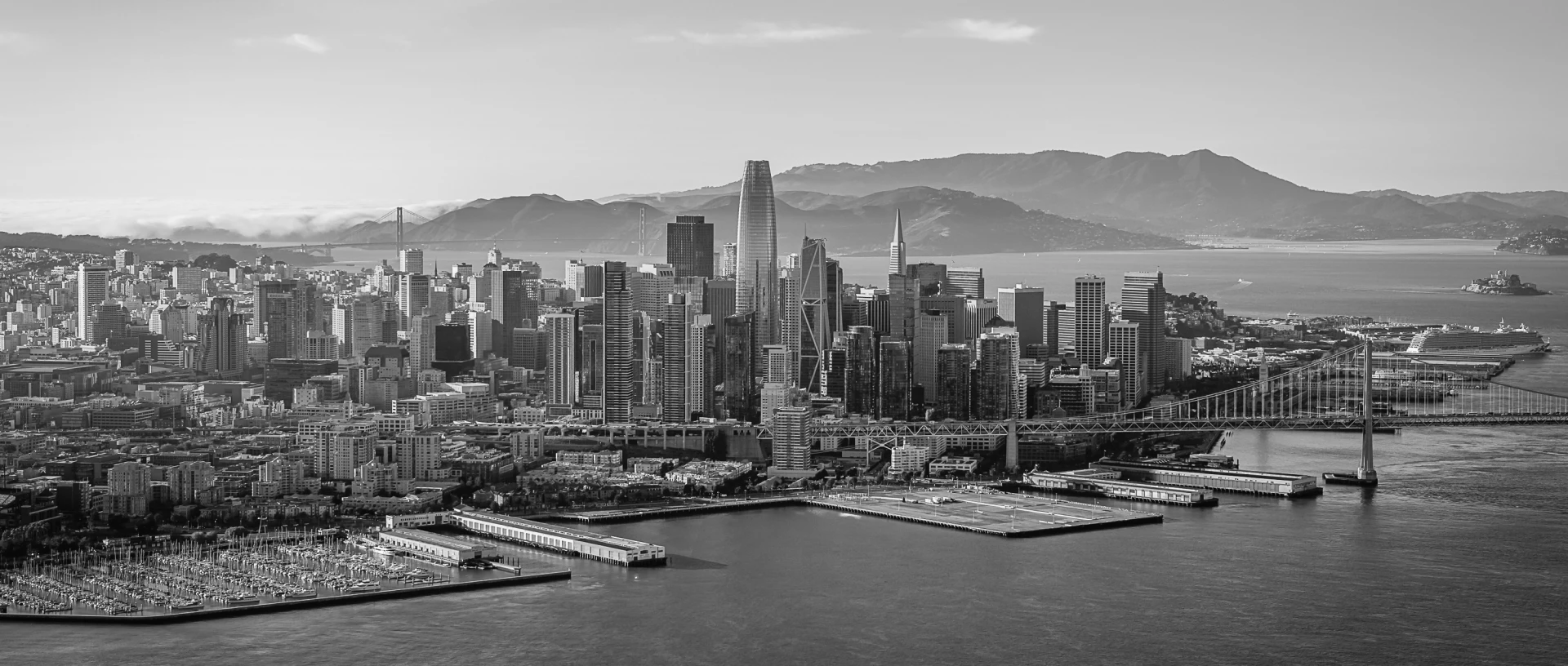
San Francisco has committed to Vision Zero, a policy that aims to end traffic deaths by redesigning streets, lowering speeds, and changing enforcement. You can see that in protected bike lanes, bulb-outs, and “road diets” that remove travel lanes. The city tracks its strategy in documents like the Vision Zero Action Strategy and the Vision Zero benchmarking data.
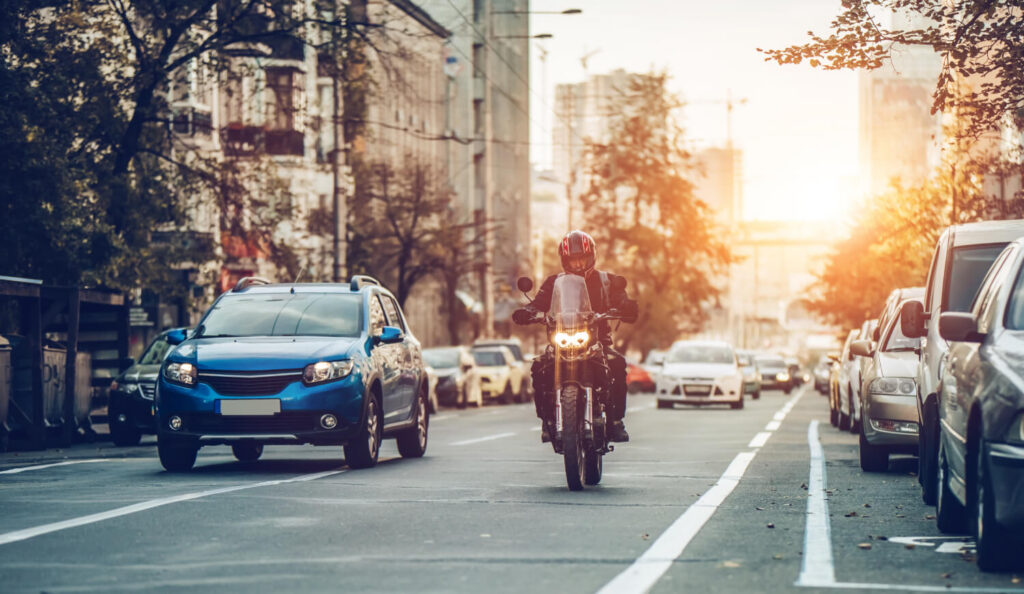
On paper, these changes are meant to slow traffic and protect people walking and biking. On the street, they often create new conflict points for motorcyclists. A painted bike lane encourages drivers to hug the line, then they suddenly cross it to turn right. A concrete protected lane blocks your escape route if a car veers into your space. A narrowed roadway bunches traffic, forcing you into blind spots.
Imagine you are riding up a corridor that received a new protected bike lane. A driver realizes late that their turn is coming up. They cut across the bike lane without checking mirrors and hit you as you pass. In the police report, it might look like a simple “unsafe lane change” by the driver. In a legal case, that crash is also tied to how that intersection was designed, where the green paint starts, how the signs are placed, and whether drivers receive any real guidance on how to merge safely around motorcycles and bicycles.
San Francisco’s bicycle plan, laid out in resources like the San Francisco Bicycle Plan, focuses on people riding bicycles. Motorcycles are rarely mentioned, yet you share the same corridors, the same intersections, and the same distracted drivers. That silence creates a legal and practical gap. You are affected by these “bike” projects, but not always protected by them.
The Real-World Problems These “Safe Streets” Changes Create for Riders
The first problem for many riders is visibility. Protected bike lanes, parking-protected lanes, and bulb-outs can block sightlines. You might be riding straight through an intersection while a driver turning left cannot see you behind a row of parked cars and plastic posts. When a crash happens, the insurance company may say you were “speeding” or “lane splitting aggressively,” even when the truth is that the design hid you from view.
The second problem is driver confusion. Many drivers do not understand how to use new bike lane layouts. They stop in green paint, swing wide across bike lanes, or make last-second moves to avoid hitting a cyclist, only to strike a motorcyclist instead. In a crash claim, that confusion often turns into finger-pointing. The driver blames the layout. The city says the driver should have known better. Meanwhile, you are the one stuck with the injuries.
The third problem is political. Vision Zero and bike lane projects have strong supporters and strong critics. When a crash case touches on these projects, everyone tends to protect their own story. A city department may resist admitting that a design choice contributed to a crash. An insurer may argue that the street was “state of the art” and fault lies only with the people involved. You are left trying to untangle responsibility in a system that does not like to admit mistakes.
From a legal standpoint, these problems affect how fault is assigned. California uses comparative fault. That means multiple people or entities can share responsibility for a crash, including a driver, a public agency, and even a contractor that installed barriers or painted lanes incorrectly. A seasoned motorcycle accident attorney looks beyond the police report and asks why the crash was likely at that spot, in that way, on that redesigned street.
Key Factors In Motorcycle Crash Cases Involving Vision Zero and Bike Lanes
When a crash happens on or near a bike lane, a Vision Zero corridor, or a newly redesigned intersection, a case is rarely just “rider versus driver.” It becomes “rider versus driver, design, data, and politics.” Several issues quickly come into play.
Street design and traffic engineering become evidence. The placement of posts, parking, merge zones, and signals can show whether a crash was foreseeable. Public records, plans, and crash maps often reveal patterns. If there have been repeated collisions at the same type of intersection, that matters.
Policy documents and safety goals matter too. The city’s own Vision Zero reports and traffic safety publications, including statewide data from the California Office of Traffic Safety, can show where motorcycle crashes are rising and which types of designs correlate with those injuries. These numbers are not just statistics. They help show that your crash is part of a larger safety problem.
Finally, there is the emotional side that often gets ignored. You might feel angry that a “safety” project made the street more dangerous for you. You might feel dismissed when officials and drivers focus only on cyclists and pedestrians. That frustration is understandable. A fair case outcome means your experience as a motorcyclist is taken seriously and not treated as an afterthought in a bike-only conversation.
Comparing Your Options After a San Francisco Motorcycle Crash
Motorcyclists often ask whether they should try to handle a Vision Zero or bike lane-related crash claim on their own. The answer depends on the complexity of the crash, the injuries, and whether public agencies or street design issues are involved.
| Issue | Handling Claim On Your Own | Working With a Motorcycle Accident Lawyer |
| Understanding Vision Zero and bike lane design | Rely mostly on police report and driver’s story, limited access to design records | Review city plans, crash data, and design documents to show how the street contributed |
| Dealing with insurance arguments | High risk of being blamed for “speeding” or “riding aggressively” with little pushback | Challenge biased assumptions about motorcyclists using evidence and expert opinions |
| Identifying all responsible parties | Usually only pursue the driver, ignore city or contractors due to legal complexity | Investigate potential liability of public entities and third parties where appropriate |
| Calculating long-term losses | Focus on immediate bills, risk of underestimating future medical care and lost income | Work with medical and financial experts to account for long-term impact |
| Time and stress | Handle calls, paperwork, and deadlines while recovering from injuries | Legal team manages the claim so you can focus on healing |
Actionable Steps After a Crash on a “Safe Street” or Near a Bike Lane
- Preserve every detail about the location and design
As soon as you are able, write down exactly where and how the crash happened. Note the presence of bike lanes, plastic posts, bulb-outs, parking patterns, and any unusual curb or lane changes. Take photos or have someone you trust photograph the intersection, lane markings, and any signs. These details often change quickly after a serious crash, especially in an area with ongoing Vision Zero work.
- Get medical care and document the full impact
See a doctor and follow through with treatment, even if you think you can “tough it out.” Motorcycle injuries often worsen over time. Make sure your medical records clearly describe how the crash happened and list all areas of pain, not just the most obvious one. Keep track of missed work, out-of-pocket expenses, and the ways your daily life has changed, from sleep issues to anxiety about riding again.
- Talk with an attorney who understands SF street politics
Not every personal injury lawyer is familiar with Vision Zero, bike lane design, or the politics behind San Francisco’s “safe streets” projects. When you speak with a motorcycle accident lawyer, ask specifically about their experience with crashes on redesigned corridors, their comfort requesting city records, and how they handle cases where public agencies may share responsibility. Early legal guidance can prevent mistakes, such as giving a recorded statement that an insurer later uses against you.
Finding Steady Ground After a San Francisco Motorcycle Crash
You did not choose the street design, the bike lane placement, or the politics behind them. You chose to ride, to share the road, and to trust that safety projects would not leave you more exposed. When that trust is broken by a crash, you deserve someone in your corner who understands both the human cost and the technical side of San Francisco’s “safe streets” system.
Our San Francisco personal injury attorneys have been representing victims in a variety of types of cases for decades. The team at Choulos, Choulos & Wyle Personal Injury Lawyers is ready to help. If you or a loved one is a victim, you can turn to our law firm with confidence. To talk with a lawyer who understands San Francisco motorcycle crash claims in the context of Vision Zero, bike lanes, and city politics, call (415) 432-7290 or reach out online for a free, no-pressure consultation.